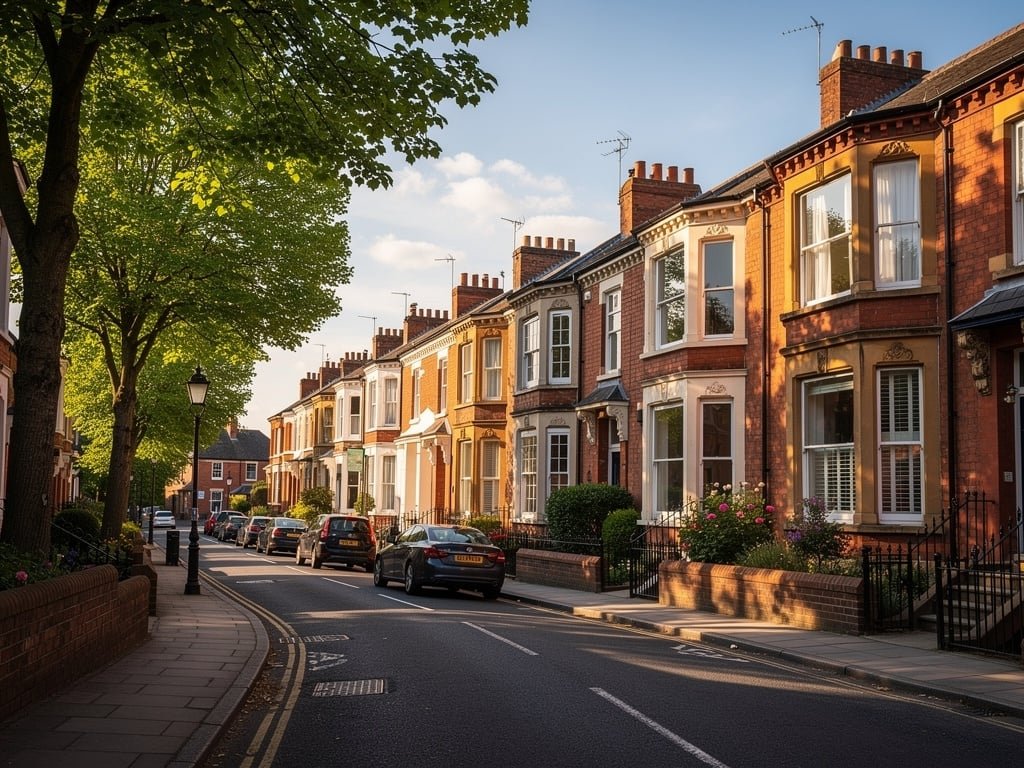
Old Town Swindon is renowned for its beautiful Victorian architecture. These characterful properties, with their high ceilings, ornate features, and period charm, attract buyers seeking homes with history and character. However, buying a Victorian property requires careful consideration and, crucially, a comprehensive building survey.
As chartered surveyors who've inspected hundreds of Victorian homes in Old Town, we know these properties inside out. While they offer tremendous appeal, they also present unique challenges that modern homes don't. This guide explains exactly what your survey should cover when buying a Victorian property in Old Town Swindon.
Understanding Victorian Properties in Old Town Swindon
Old Town's Victorian housing stock dates primarily from the mid-to-late 1800s, when Swindon expanded rapidly due to the Great Western Railway works. These properties were built during Queen Victoria's reign (1837-1901) using traditional construction methods and materials that differ significantly from modern building techniques.
Typical Victorian Construction in Old Town
Understanding how your Victorian property was built helps you appreciate what can go wrong and why certain surveys are essential.
Solid Wall Construction
Unlike modern cavity wall construction, Victorian properties in Old Town typically have solid walls - usually 9 inches (one brick length) thick. These walls have no cavity, making them more susceptible to damp penetration and heat loss. There's no damp-proof course (DPC) in most cases, or if there is one, it's often failed or been bridged.
Lime Mortar and Plaster
Victorian builders used lime-based mortars and plasters rather than modern cement. Lime is softer and more flexible, allowing the building to "breathe" and move naturally. While this was sensible for the time, inappropriate repairs using hard cement can cause problems, trapping moisture and causing damage.
Slate Roofs
Many Old Town Victorian properties retain their original Welsh slate roofs. Quality slate can last 100-150+ years, but fixings deteriorate, and individual slates can slip or crack. The roof structure typically uses traditional timber rafters and purlins, which can suffer from woodworm or rot if not properly maintained.
Timber Floors
Ground floors are usually suspended timber, with joists supported on sleeper walls in the underfloor void. Without adequate ventilation, this void can become damp, leading to timber decay. Upper floors are also timber, sometimes showing signs of movement or deflection after 140+ years.
Single-Glazed Sash Windows
Original Victorian windows are typically timber sash designs with single glazing. While beautiful and often worth preserving (especially in conservation areas), they're draughty, require regular maintenance, and the sash cords frequently break.
Coal Fires and Chimneys
Victorian homes were heated by coal fires, leaving each property with multiple chimneys. Many are now redundant but still require maintenance. Chimney stacks are exposed to weather and can deteriorate, potentially causing damp or structural issues.
Common Defects in Victorian Properties
Our experience surveying properties in Old Town has revealed consistent patterns of defects specific to Victorian construction. For a broader overview of property defects across all Swindon homes, see our guide to 10 common property defects.
1. Damp Issues
Damp is the single most common problem we encounter in Old Town Victorian properties.
Rising Damp
Without an effective DPC, moisture from the ground can rise through solid walls by capillary action. Look for tide marks, peeling paint, or crumbling plaster at skirting level. Our surveyors use moisture meters to detect damp that isn't yet visible.
Penetrating Damp
Solid walls without cavity protection are vulnerable to rain penetration, especially on exposed elevations. Poor pointing, cracked render, or defective gutters exacerbate the problem. We often find damp on chimney breasts where the flashing has failed or around window openings.
Condensation Damp
Solid walls, single glazing, and often inadequate heating and ventilation create perfect conditions for condensation. This manifests as black mould, particularly in bathrooms, kitchens, and bedroom corners.
2. Structural Movement
Victorian properties have been standing for 120-180 years. Some degree of historic settlement and movement is normal, but distinguishing between old, stable cracks and active structural problems requires expert assessment.
Foundation Settlement
Victorian foundations are typically shallow - often just a few courses of brick below ground level. On Swindon's clay soils, seasonal ground movement can cause cracks. We assess crack patterns, widths, and evidence of recent movement.
Subsidence
Old Town's mature trees are beautiful but their roots can cause subsidence, particularly during dry summers. Clay soils shrink when moisture is extracted by tree roots, causing foundations to move. Diagonal cracks wider at the top than bottom, especially near trees, warrant investigation. Read our complete guide to subsidence in Swindon for more detail.
Wall Tie Failure
Some Victorian properties have been retrofitted with wall ties. If these corrode, they can push walls apart, causing horizontal cracking. This is less common but serious when it occurs.
3. Roof Problems
Even quality Welsh slate deteriorates eventually, and Old Town properties often have roofs approaching or exceeding 140 years old.
Slipped or Missing Slates
Fixing nails corrode, allowing slates to slip. Water ingress follows, potentially causing rot in roof timbers and damage to ceilings below.
Valley Gutter Deterioration
Lead-lined valley gutters between roof slopes are common failure points. Lead can split or develop holes, causing leaks that are difficult to trace.
Chimney Stack Issues
Exposed chimney stacks suffer from weathering. Pointing deteriorates, brickwork can become loose, and flashing around the base fails. We've seen stacks that pose safety risks to passers-by below.
4. Timber Decay
Victorian properties contain vast amounts of structural timber, all vulnerable to decay if conditions are right.
Woodworm
Common furniture beetle loves old, untreated timber. Small flight holes indicate historic or active infestation. While often not structurally significant, severe cases require treatment.
Wet Rot
Where timber stays persistently damp (usually due to leaks or poor ventilation), wet rot develops. Floor joists in underfloor voids, roof timbers near leaks, and window frames are common locations.
Dry Rot
The most serious form of timber decay, dry rot spreads rapidly through timber and even masonry. It requires specific moisture conditions and is less common than wet rot but devastating when present. A musty smell and white fungal growth are warning signs.
5. Outdated Services
Many Old Town properties still have aging electrical, plumbing, and heating systems.
Electrical Wiring
Properties with original or 1960s-1980s wiring need complete rewiring. Old rubber or fabric-covered cables, fuse boxes without RCD protection, and insufficient sockets are common. Rewiring a Victorian property with solid walls is more complex and expensive than modern homes.
Plumbing
Lead pipework was standard in Victorian times. While small amounts might remain acceptable, extensive lead plumbing should be replaced due to health risks. We also find aging iron waste pipes prone to leaking.
Heating Systems
Heating solid-walled Victorian properties is expensive. Many have aging boilers or inefficient systems. Some still have back boilers in fireplaces - outdated and often dangerous.
What a Level 3 Building Survey Should Cover
For Victorian properties in Old Town, we strongly recommend a Level 3 building survey (the most comprehensive survey available). Here's what our surveyors assess:
External Inspection
Roof and Chimneys
- Condition of slate or tile covering
- State of flashings, valleys, and verges
- Chimney stack condition and stability
- Lead work around chimneys and abutments
- Gutters and downpipes (often original cast iron)
Walls and Structure
- Structural movement assessment (crack mapping)
- Pointing condition (lime mortar deterioration)
- Render condition if present
- Damp penetration risks
- Bay window condition (common in Victorian properties)
- Original architectural features and their condition
Windows and Doors
- Timber sash window condition
- Evidence of rot in frames
- Operation and draught-proofing
- Glass condition (original glass often has defects)
- Door condition and security
Internal Inspection
Floors
- Timber floor condition and deflection
- Underfloor ventilation adequacy
- Evidence of timber decay
- Floor levels (settlement indicators)
Walls and Ceilings
- Plaster condition (lime plaster often deteriorates)
- Damp evidence and moisture readings
- Crack patterns and significance
- Ceiling deflection or sagging
Original Features
- Fireplaces and surrounds
- Decorative coving and cornices
- Picture rails and skirting boards
- Internal doors and architraves
- Staircases (ornate in many Victorian homes)
Services Assessment
Electrical
- Age and type of wiring
- Consumer unit condition
- Adequacy for modern use
- Recommendation for electrical testing
Plumbing and Heating
- Boiler age and condition
- Pipework type (lead identification)
- Heating system adequacy
- Water pressure and supply
Drainage
- Drainage system type
- Visible drain condition
- Evidence of drainage problems
- Recommendation for CCTV survey if concerns
Roof Space Inspection
Where safely accessible, we inspect roof spaces for:
- Roof structure condition
- Evidence of leaks or damp
- Timber decay or woodworm
- Insulation adequacy
- Water tank condition
- Any structural alterations
Conservation Area Considerations
Much of Old Town sits within a conservation area, affecting what alterations you can make.
Planning Restrictions
Changes to external appearance often require conservation area consent. This includes window replacement, external doors, roof coverings, and even satellite dishes. Your surveyor can advise on restrictions.
Sympathetic Repairs
Repairs should use appropriate materials. Lime mortar rather than cement, like-for-like slate replacement, and traditional window repair techniques preserve character and prevent damage to the building fabric.
Listed Building Status
Some Old Town properties are listed buildings with even stricter controls. Your surveyor will note if this applies and explain implications for repairs and alterations.
Cost Implications of Victorian Property Ownership
Understanding potential costs helps you budget realistically:
Typical Repair Costs
- Damp-proofing: £2,000-£6,000
- Roof repairs/replacement: £8,000-£25,000+
- Rewiring: £4,000-£8,000
- Replumbing: £3,000-£6,000
- Window restoration: £800-£1,500 per window
- Timber treatment: £1,500-£5,000
- Chimney repairs: £1,000-£5,000
- Structural repairs: £5,000-£30,000+ (highly variable)
Running Costs
Victorian properties typically cost more to heat due to solid walls and single glazing. Energy bills can be 30-50% higher than equivalent modern homes. Budget £200-£300 monthly for heating in winter.
Maintenance
Period properties require ongoing maintenance. Budget 1-2% of property value annually for upkeep - more if deferred maintenance has accumulated.
Why a Full Building Survey is Essential
For Victorian properties in Old Town, a comprehensive Level 3 survey isn't optional - it's essential. Here's why:
Age and Complexity
Properties 120-180 years old have complex histories. Extensions, alterations, repairs, and deterioration create unique conditions requiring expert interpretation.
Hidden Defects
Period charm often masks serious issues. Decorative plasterwork can hide damp or structural cracks. A thorough inspection reveals what lies beneath the surface.
Informed Negotiations
Our detailed reports provide evidence for price negotiations. Discovering £20,000 of necessary repairs gives you leverage to reduce the purchase price or request the seller address issues.
Future Planning
Understanding your property's condition helps you plan and budget for improvements and repairs over time.
Insurance Requirements
Some insurers require surveys for older properties. Our reports include rebuild costs for insurance purposes.
What to Do Before Your Survey
Research the Property
Find out when it was built, any planning history, and whether it's listed or in a conservation area. This information helps your surveyor provide context.
Multiple Viewings
Visit at different times and in various weather. Check for evidence of damp after rain, and ask about any known issues.
Talk to Neighbours
Neighbours often have valuable insights into local issues, drainage problems, or previous issues with the property.
Prepare Questions
Note anything that concerns you so you can ask your surveyor to pay particular attention.
What to Do After Your Survey
Read the Report Thoroughly
Don't just skim the summary. Understanding the detail helps you make informed decisions.
Ask Questions
We're here to explain findings. If anything is unclear, ask. Understanding the significance of issues is crucial.
Get Specialist Reports if Recommended
If we recommend electrical testing, drainage surveys, or structural engineer's reports, get them. The additional cost is worthwhile.
Negotiate Appropriately
Use the survey to negotiate the purchase price or request repairs. Be realistic - some defects are expected in Victorian properties, but serious issues justify price reductions.
Budget for Improvements
Plan your renovation and repair budget based on survey findings and priorities.
The Appeal of Old Town Victorian Properties
Despite the challenges, Victorian properties in Old Town remain hugely desirable, and for good reason:
- Character and Charm: High ceilings, original features, and architectural detail impossible in modern homes
- Location: Old Town's hilltop position, proximity to town centre, and village atmosphere
- Community: Established neighbourhood with excellent schools and amenities
- Investment: Period properties in desirable locations typically hold value well
- Space: Generous room sizes and garden plots
- Quality: Solid construction built to last generations
With proper surveying, realistic budgeting, and appropriate maintenance, a Victorian property in Old Town can be a wonderful home for years to come.
Conclusion: Knowledge is Your Best Protection
Buying a Victorian property in Old Town Swindon is exciting, but it's crucial to go in with your eyes open. These beautiful, characterful homes come with challenges that require expert assessment and realistic budgeting.
A comprehensive Level 3 building survey from experienced RICS chartered surveyors who understand Victorian construction and Old Town's specific characteristics is your best protection. We'll identify issues, explain their significance, and advise on costs, giving you the information needed to proceed confidently or negotiate appropriately.
Our team has surveyed countless Victorian properties in Old Town, and we understand the unique challenges and joys these properties bring. Whether you're considering a beautiful Victorian terrace or a substantial Old Town family home, we'll provide the detailed assessment you need to make an informed decision.
Expert Victorian Property Surveys in Old Town
Planning to buy a period property in Old Town? Our RICS chartered surveyors specialize in Victorian properties and provide comprehensive Level 3 building surveys that identify all issues and help you make informed decisions.
Protect your investment in a piece of Swindon's history.
Get Your Free Quote