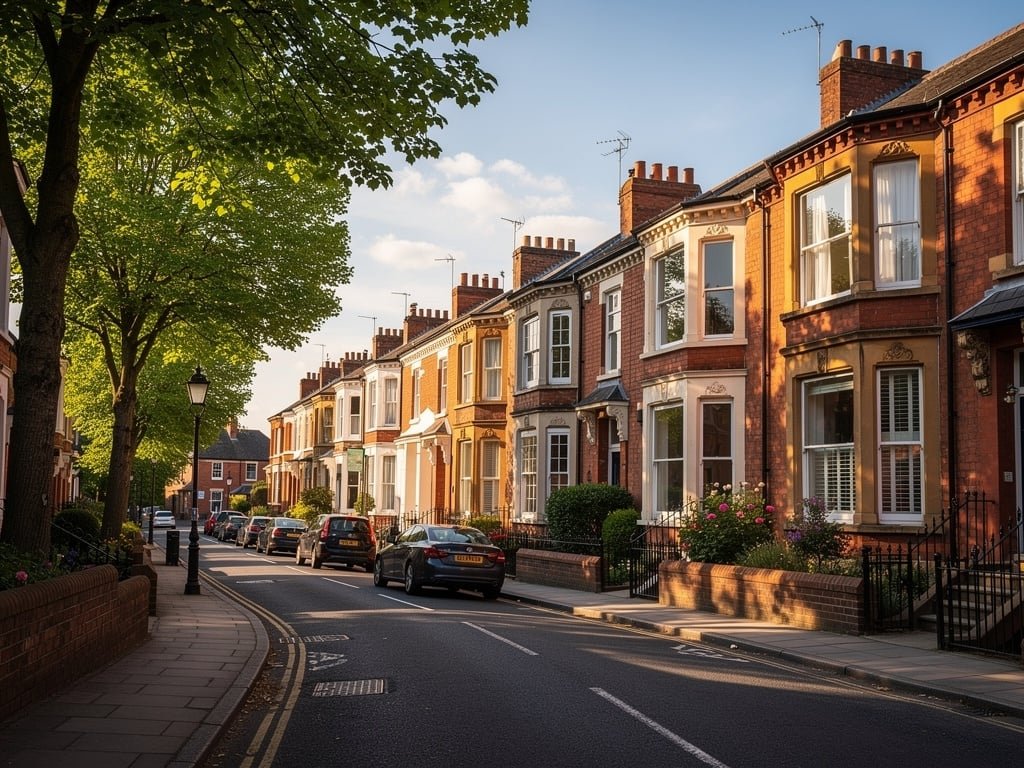
When buying a property in Swindon, subsidence is one of the most serious structural issues you could encounter. Understanding what subsidence is, why it happens in Swindon specifically, and how to spot the warning signs can save you from making a costly mistake. In this comprehensive guide, Swindon Surveyors explain everything property buyers need to know about subsidence, from local causes to what your RICS building survey will reveal.
What Is Subsidence? A Simple Explanation
Subsidence occurs when the ground beneath a building moves or sinks downward, causing the property's foundations to drop. Unlike normal settlement (which is gradual and expected in new builds), subsidence is more severe and progressive, leading to structural damage that worsens over time.
In simple terms: the earth supporting your home is no longer stable. As the soil shifts, compacts, or erodes away, the building above loses support. This creates stress on the structure, resulting in visible cracks, uneven floors, sticking doors, and in severe cases, serious structural instability.
Subsidence is different from:
- Settlement: Normal, predictable movement in new or recently extended buildings as materials compact and adjust
- Heave: The opposite of subsidence—when ground expands and pushes the building upward (often caused by soil swelling after tree removal)
While settlement is generally harmless and expected, subsidence requires investigation and often remedial work. It's also a red flag for mortgage lenders and insurers, making it critical to identify before you buy.
Why Does Subsidence Happen in Swindon? Local Causes
Swindon properties are particularly vulnerable to subsidence due to several local factors. Understanding the geology, climate, and urban landscape of Swindon helps explain why subsidence is a concern in certain areas.
1. Clay Soil Types
Much of Swindon sits on clay soils, particularly Oxford Clay and Kimmeridge Clay. Clay is highly reactive to moisture: it expands when wet and shrinks dramatically when dry. During hot, dry summers, clay soil contracts and pulls away from foundations. During wet winters, it swells again. This cycle of shrinkage and expansion creates movement that can destabilise foundations, especially in older properties without deep or reinforced footings.
2. Tree Root Activity
Large trees near properties—particularly species with aggressive root systems like oak, willow, poplar, and elm—can extract vast amounts of moisture from clay soil. As roots draw water from the ground, the soil shrinks, creating voids beneath foundations. This is most common during prolonged dry spells. Properties in leafy areas of Swindon such as Old Town, Lawn, and parts of Wroughton are at higher risk if mature trees are located within 20 metres of the building.
3. Drainage Issues and Leaking Pipes
Faulty drains, broken water mains, or leaking sewage pipes can wash away soil beneath foundations—a process called soil erosion or washout. Over time, this creates underground voids that cause the property to sink. Older Victorian and Edwardian homes in Swindon often have ageing drainage systems that are more prone to leaks, increasing subsidence risk.
4. Mining and Ground Instability
While not as common as in other regions, certain areas of Swindon have historical mining activity or natural ground features (such as solution features in limestone) that can lead to ground instability. Always check the Coal Authority and local ground stability reports as part of your conveyancing searches.
5. Climate Change and Weather Extremes
Increasingly hot, dry summers followed by wetter winters exacerbate the shrink-swell behaviour of clay soils. Swindon has experienced several prolonged dry spells in recent years, increasing the frequency and severity of subsidence claims across the area.
How to Spot Subsidence: Early Warning Signs Inside and Outside
Catching subsidence early is crucial. Some cracks are cosmetic and harmless, but others indicate serious structural movement. Here's what Swindon Surveyors look for when assessing properties for subsidence:
External Warning Signs
- Diagonal cracks: Cracks that run diagonally from corners of windows or doors, often wider at the top than the bottom, are classic subsidence indicators
- Cracks wider than 3mm: Thin hairline cracks are usually cosmetic, but cracks wider than 3mm (about the width of a £1 coin) require investigation
- Stepped cracking in brickwork: Cracks that follow the mortar joints in a staircase pattern
- Cracks near extensions or conservatories: Subsidence often occurs where old and new structures meet, especially if foundations are at different depths
- Leaning or bulging walls: Walls that bow outward or lean suggest serious foundation movement
- Gaps around window and door frames: Frames pulling away from walls indicate structural shift
Internal Warning Signs
- Doors and windows sticking: Frames distorting due to structural movement
- Cracks in interior plaster: Especially diagonal cracks above doors and in corners
- Sloping or uneven floors: Noticeable dips or slopes, often near external walls
- Gaps between walls and ceilings or skirting boards: Visible separation where walls meet floors or ceilings
- Cracked floor tiles or lifting skirting boards: Signs the floor is moving
Important: Not all cracks indicate subsidence. Thermal expansion, minor settlement, and cosmetic plaster issues can also cause cracks. A RICS surveyor will assess crack patterns, monitor movement over time, and use their expertise to distinguish between subsidence and less serious causes.
Subsidence vs Settlement vs Heave: What's the Difference?
It's easy to confuse these terms, but understanding the differences is vital:
| Issue | Cause | Severity |
|---|---|---|
| Subsidence | Ground sinking due to soil shrinkage, erosion, or tree roots | Serious—requires investigation and often repair |
| Settlement | Normal compaction of ground and materials in new builds | Usually harmless and expected |
| Heave | Ground expanding (often after tree removal) and pushing up | Serious—can cause structural damage similar to subsidence |
A RICS surveyor will determine which type of movement is occurring and whether it's active (ongoing) or historic (stable).
How Do RICS Surveyors Identify Subsidence?
When you commission a RICS Level 3 Building Survey from Swindon Surveyors, our chartered professionals conduct a thorough investigation of structural integrity, including detailed subsidence assessment:
Visual Inspection
The surveyor examines all accessible areas of the property, inside and out, documenting crack patterns, locations, widths, and directions. They assess whether cracks are old or new, active or dormant.
Crack Monitoring
In some cases, crack monitoring strips are installed to track movement over several months. This helps determine if subsidence is ongoing or historic.
Ground and Drainage Assessment
The surveyor inspects the surrounding ground, drainage systems, and proximity of trees. They may recommend further investigations such as:
- Soil analysis: Testing clay composition and moisture reactivity
- Drain testing: CCTV surveys to check for leaks or damage
- Tree root surveys: Arboricultural assessments to identify problem trees
Historical Research
The surveyor reviews past building records, previous surveys, and insurance claims. They check whether subsidence has been repaired previously and if guarantees or warranties are in place.
Structural Engineer Referral
If subsidence is suspected, the surveyor may recommend a structural engineer's report, which includes detailed calculations, foundation depth assessments, and repair specifications.
How Does Subsidence Affect Mortgages and Insurance?
Subsidence has significant financial implications for property buyers in Swindon:
Mortgage Approval Challenges
Most mortgage lenders will not approve a loan on a property with active subsidence until repairs have been completed and certified. If subsidence is identified during your survey, your lender's valuation surveyor will flag it, potentially delaying or blocking your purchase.
If subsidence has been repaired in the past, lenders will require:
- Evidence of repair work and certification from a structural engineer
- A minimum 10-year insurance-backed guarantee
- Proof that the cause (e.g., tree removal, drainage repairs) has been addressed
Insurance Complications
Properties with a history of subsidence are harder and more expensive to insure. Many insurers:
- Charge higher premiums
- Impose higher policy excesses (often £1,000+)
- Exclude subsidence from future cover
- Require annual inspections or crack monitoring
Some specialist insurers cover subsidence-affected properties, but expect to pay significantly more than standard home insurance rates.
Subsidence Repairs: What's Involved and How Much Does It Cost?
Repairing subsidence is a major undertaking, and costs vary widely depending on severity:
Common Repair Methods
- Underpinning: Strengthening foundations by extending them deeper into stable ground. This is the most common and expensive solution, typically costing £10,000–£50,000+ depending on the extent of damage.
- Tree management: Removing or pruning problematic trees to reduce soil moisture extraction. Costs: £500–£5,000.
- Drainage repairs: Fixing leaking pipes and improving surface water drainage. Costs: £1,000–£10,000.
- Crack filling and repointing: Cosmetic repairs after structural work is completed. Costs: £500–£3,000.
Insurance Cover
If you already own a property and subsidence develops, your buildings insurance should cover investigation and repair costs (minus your excess). However, insurers often require monitoring before approving expensive underpinning work.
Negotiating on Price
If you're buying a property with subsidence issues, use the surveyor's findings to negotiate a significant price reduction or insist the seller completes repairs before completion. Never assume you can "fix it later"—costs can spiral.
What Should Swindon Property Buyers Do If Subsidence Is Suspected?
If your survey reveals subsidence or you spot warning signs during viewings, follow these steps:
- Commission a RICS Level 3 Building Survey: Always invest in a full structural survey when buying in Swindon, especially for older properties or those near trees.
- Request a Structural Engineer's Report: If subsidence is confirmed, get a detailed assessment including repair costs and guarantees.
- Check Insurance and Warranty History: Ask the seller for evidence of past subsidence claims, repairs, and guarantees. Ensure any repair work has at least 10 years remaining on its insurance-backed guarantee.
- Renegotiate or Walk Away: Use survey findings to renegotiate the purchase price or request the seller complete repairs before exchange. If risks are too high, don't be afraid to walk away.
- Factor in Future Insurance Costs: Get insurance quotes before committing to purchase—subsidence history can make properties expensive or difficult to insure.
- Consult a Specialist Solicitor: Ensure your conveyancer reviews all structural reports, guarantees, and indemnity policies thoroughly.
Why a RICS Building Survey Is Essential for Subsidence Detection
Standard mortgage valuations and RICS Level 2 HomeBuyer Reports are not designed to identify all structural defects. Only a RICS Level 3 Building Survey—the most comprehensive property inspection available—provides the detailed structural analysis needed to detect subsidence in its early stages.
Swindon Surveyors are RICS-qualified, locally experienced, and understand the unique subsidence risks in Swindon's soil and housing stock. Our building surveys include:
- Detailed crack analysis and structural assessment
- Identification of subsidence, heave, or settlement
- Assessment of trees, drainage, and ground conditions
- Clear, jargon-free reports with repair cost estimates
- Recommendations for further investigations or specialist reports
Investing in a thorough survey could save you tens of thousands of pounds in unexpected repairs—or help you avoid buying a problem property altogether.
Conclusion: Protecting Your Swindon Property Investment
Subsidence is one of the most serious and costly defects a property buyer can face in Swindon. With the area's reactive clay soils, mature trees, ageing drainage systems, and increasingly extreme weather, subsidence risk is real—but it's also manageable if you know what to look for.
By commissioning a professional RICS building survey, understanding local subsidence causes, and spotting early warning signs, you can make an informed decision and protect your investment. Whether you're buying a Victorian terrace in Old Town, a 1930s semi in Lawn, or a modern home in Blunsdon, always prioritise structural integrity.
Swindon Surveyors are here to help. Our expert team provides comprehensive, RICS-accredited building surveys that uncover hidden defects, including subsidence, before you commit to purchase. Don't gamble with your biggest investment—get the expert advice you need.
Worried About Subsidence in a Swindon Property?
Get peace of mind with a comprehensive RICS Building Survey from Swindon Surveyors. We'll identify structural issues before they become costly problems.
Book Your Building Survey Today