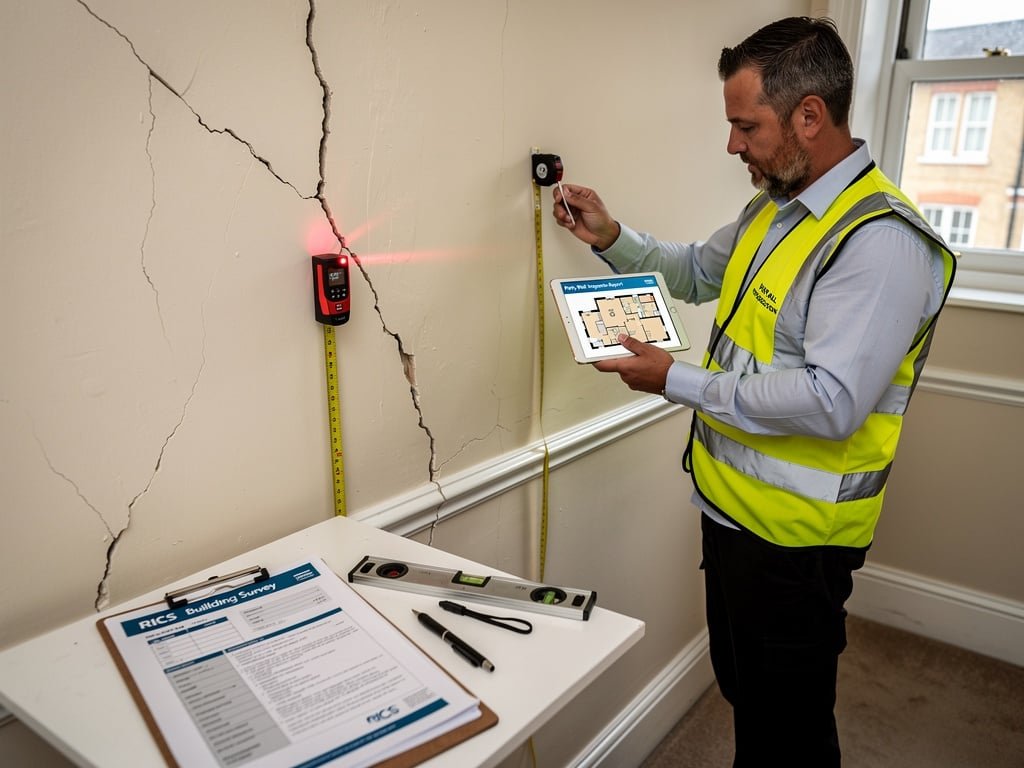
After conducting thousands of building surveys across Swindon and the Wiltshire area, our RICS chartered surveyors have identified clear patterns in the types of defects we encounter. Whether you're buying a property in Swindon, in Old Town, Wroughton, or any surrounding area, understanding these common issues can save you thousands of pounds and prevent future heartache.
This comprehensive guide reveals the ten most frequently found property defects in Swindon homes, explains how to spot them yourself, and advises when you should walk away or renegotiate the purchase price.
Why Swindon Properties Have Unique Characteristics
Before diving into specific defects, it's important to understand why properties in Swindon present particular challenges. The town's rapid expansion from a railway hub to a modern urban centre means we have an incredibly diverse housing stock.
From Victorian terraces in Old Town to 1960s estates, 1980s developments, and modern new-build properties, each era brings its own typical issues. Our local knowledge of Swindon's building history is crucial when conducting thorough inspections. If you're considering a Victorian property in Old Town, read our dedicated survey guide.
The Wiltshire area's clay soil composition also plays a significant role in several common defects we'll discuss, particularly subsidence and drainage issues.
1. Damp and Moisture Penetration
Frequency: Found in approximately 40% of properties we survey
Severity: Moderate to Serious
Typical Cost to Fix: £1,500 - £8,000+
What is it?
Damp is the most common defect we encounter in Swindon homes. It comes in three main forms: rising damp (moisture from the ground rising through walls), penetrating damp (water entering through walls, roofs, or windows), and condensation damp (moisture in the air condensing on cold surfaces).
How to Spot It
Visual signs include:
- Dark patches or staining on walls, especially at skirting level
- Peeling or bubbling wallpaper and paint
- White salt deposits (efflorescence) on brick or plaster
- Musty, damp smell in rooms
- Black mould growth, particularly in corners and on north-facing walls
- Deteriorating plaster that's soft or crumbling
- Rotting skirting boards or timber
Why It's Common in Swindon
Many older properties in Swindon, particularly in areas like Old Town and Rodbourne, have solid wall construction without damp-proof courses (DPC). Even properties with DPCs can develop issues if they're bridged by raised external ground levels, rendered walls below the DPC line, or debris in wall cavities.
The town's recently built properties aren't immune either. We frequently find condensation issues in modern, well-insulated homes where inadequate ventilation traps moisture inside.
What Our Surveyors Look For
During a thorough inspection, we use electronic moisture meters to measure moisture content in walls and identify problem areas that aren't yet visually apparent. We'll also check:
- External ground levels relative to the DPC
- Condition of pointing and render
- Roof condition and guttering
- Ventilation provisions
- Plumbing leaks that might be contributing
When to Worry
Minor condensation damp is usually manageable with improved ventilation and heating. However, extensive rising or penetrating damp requires professional treatment. If moisture readings are very high or structural timber is affected, the costs can escalate significantly. This is definitely something to negotiate on the purchase price or request the seller to remedy before completion.
2. Roof Defects and Deterioration
Frequency: Found in 35% of properties
Severity: Moderate to Serious
Typical Cost to Fix: £3,000 - £15,000+
What is it?
Roof problems encompass issues with coverings (tiles, slates), structure (rafters, trusses), and weatherproofing (flashing, valleys, chimneys). Even small roof defects can lead to significant water ingress and secondary damage.
How to Spot It
From ground level, look for:
- Missing, slipped, or broken tiles or slates
- Sagging roof lines indicating structural movement
- Damaged or poorly fitted flashing around chimneys
- Moss or vegetation growth (indicating age and moisture retention)
- Damaged or missing ridge tiles
- Valley gutter deterioration
Inside the property, check for:
- Water stains on ceilings, especially around chimneys
- Damp patches in the loft
- Daylight visible through the roof structure
- Sagging or bowing roof timbers
Swindon-Specific Considerations
Many properties built in the 1960s-1980s around Swindon are now reaching the age where original concrete tiles need replacing. We're also seeing issues with "fixer-upper" projects where DIY roof repairs have been attempted without proper expertise, particularly in areas like Stratton and Park South.
Properties in Old Town often have slate roofs that, while longer-lasting, can be expensive to repair due to the specialist materials and techniques required.
What Our Building Survey Includes
A Level 3 building survey includes access to the roof space (where safely accessible) to inspect the structure, insulation, and underside of the roof covering. From ground level using binoculars, we assess the external condition of coverings, chimneys, and flashings.
We'll note the approximate age of the roof covering and advise on its remaining lifespan, helping you budget for future replacement costs.
When to Worry
A roof nearing the end of its life (typically 40-60 years for concrete tiles, 60-100+ years for slate) represents a major future expense. If there's evidence of ongoing leaks or structural problems, this needs immediate attention. Reroofing costs can be £8,000-£15,000+ depending on property size and materials, so factor this into your offer.
3. Electrical System Age and Safety Issues
Frequency: Found in 45% of older properties
Severity: Moderate to Serious (safety concern)
Typical Cost to Fix: £3,000 - £6,000 for full rewire
What is it?
Electrical installations have a typical lifespan of 25-30 years. After this point, they can become unsafe and fail to meet current regulations. Many homes across Swindon still have outdated wiring systems that pose fire risks.
How to Spot It
Warning signs include:
- Rubber or fabric-covered cables (pre-1960s)
- Old-style fuse boxes with rewirable fuses (not modern consumer units)
- Round-pin sockets (outdated)
- Insufficient number of sockets (leading to overuse of adapters)
- Scorch marks around sockets or switches
- Flickering lights or frequently tripping circuits
- No RCD (Residual Current Device) protection
Why This Matters in Swindon
A significant portion of Swindon's housing stock dates from the 1960s-1980s. Properties from this era that haven't been rewired are now well beyond the recommended replacement age. We regularly encounter homes where electrical work has been done piecemeal over decades without a complete system upgrade.
Even recently built properties can have issues if electrical work has been carried out by unqualified persons without proper certification.
What Surveyors Check
During our survey service, we conduct a visual inspection of the electrical installation, checking the consumer unit, visible wiring, and a sample of sockets and switches. We'll note the approximate age and whether it meets current standards.
For a detailed report on electrical condition, we typically recommend a specialist electrical survey by a qualified electrician, particularly for properties over 30 years old or where we identify concerns.
When to Worry
Any property with wiring over 30 years old should be considered for rewiring, and it should be factored into your budget. If there are signs of dangerous wiring, burnt connections, or absence of RCD protection, these are urgent safety concerns. A full house rewire typically costs £3,000-£6,000 depending on property size and access.
4. Cracked or Weak Foundations and Movement
Frequency: Found in 20% of properties (various severity)
Severity: Minor to Critical
Typical Cost to Fix: £5,000 - £50,000+ for underpinning
What is it?
Structural movement manifests as cracks in walls and can be caused by foundation settlement, subsidence, heave (upward soil movement), or inadequate foundations. Not all cracks are serious, but distinguishing between normal settlement and active structural movement requires expert surveyors.
How to Spot It
Look for cracks that are:
- Diagonal, running from corners of windows or doors
- Wider than 3mm (width of a £1 coin)
- Wider at one end than the other (tapered)
- Located near extensions or where buildings of different heights meet
- Accompanied by sticking doors or windows
- Recent or widening (check against old photographs if available)
Also check for:
- Separation between walls and extensions
- Bulging or leaning walls
- Cracks in external brickwork
- Distorted window or door frames
- Uneven or sloping floors
Subsidence Risk in Swindon
Parts of Swindon and the Wiltshire area sit on clay soil, which is particularly susceptible to subsidence during dry periods when it shrinks. This is especially problematic near large trees, which extract moisture from the soil.
We frequently encounter subsidence-related movement in areas with mature tree coverage, particularly in older residential areas like Old Town and Rodbourne. Hot, dry summers exacerbate the problem, and we've seen an increase in subsidence cases following the recent series of warm, dry years.
What Our Survey Covers
Our thorough inspection includes careful examination of all walls, both internally and externally, noting crack patterns, widths, and locations. We assess whether cracks appear historic and stable or show signs of ongoing movement.
We'll consider the property's age, construction type, local soil conditions, proximity to trees, and any history of subsidence (which should be disclosed and may be evident from insurance records).
If we identify significant or concerning cracks, we'll recommend further investigation by a structural engineer. This might include monitoring over a period of months to determine if movement is ongoing.
When to Worry
Hairline cracks are common and usually not concerning. However, wide cracks (over 3mm), tapered cracks, or those showing recent movement need investigation. Active subsidence can be very expensive to remedy (£15,000-£50,000+ for underpinning), and it will affect insurance costs and future saleability.
If subsidence is confirmed, you need to negotiate heavily or consider walking away unless the seller agrees to remediate or significantly reduce the purchase price.
5. Aging or Faulty Boilers and Heating Systems
Frequency: Found in 30% of properties
Severity: Moderate
Typical Cost to Fix: £2,000 - £4,000 for boiler replacement
What is it?
Central heating boilers have a typical lifespan of 10-15 years. Beyond this age, they become less efficient, more prone to breakdowns, and replacement parts may become scarce. Radiators, pipework, and controls can also deteriorate over time.
How to Spot It
Warning signs include:
- Boiler age (check the label) - models over 10 years old warrant attention
- Strange noises (banging, whistling, gurgling)
- Leaks around the boiler or from pipework
- Radiators that don't heat up properly or need frequent bleeding
- Yellow pilot light instead of crisp blue (indicating incomplete combustion)
- Frequent need for pressure top-ups
- High energy bills suggesting inefficiency
- No service history or expired servicing
Common Issues in Swindon Properties
Many properties in Swindon's 1960s-1980s developments are reaching the age where original heating systems need complete replacement. We also encounter properties where combi boilers have been incorrectly sized for the number of bathrooms, leading to poor hot water performance.
In Old Town conversions and older properties, we sometimes find aging back boilers or outdated systems that are inefficient and difficult to service.
What We Check
Our surveyors note the boiler age, type, and approximate condition. We'll check for obvious issues like leaks, corrosion, or concerning noises. We'll also assess radiator condition and whether the system appears adequately sized for the property.
However, our survey doesn't include a full heating system test. We recommend a specialist heating engineer's inspection, particularly for older systems or where we identify concerns.
When to Worry
A boiler over 15 years old is living on borrowed time and should be budgeted for replacement imminently. If the boiler is non-condensing (pre-2005), it's also very inefficient by modern standards. Budget £2,000-£4,000 for a replacement combi boiler installation, or more for a system boiler with cylinder.
If there are signs of leaks, poor combustion, or the system isn't working, this needs immediate attention and should be reflected in negotiations.
6. Window and Door Deterioration
Frequency: Found in 25% of properties
Severity: Minor to Moderate
Typical Cost to Fix: £500 - £10,000+ for full replacement
What is it?
Windows and external doors deteriorate over time due to weather exposure. Timber windows rot, metal windows corrode, and even UPVC windows have a finite lifespan. Deteriorating windows affect security, energy efficiency, and weatherproofing.
How to Spot It
Check for:
- Rotten timber frames (test with a screwdriver - soft or spongy timber indicates rot)
- Cracked or failed double-glazing (condensation or misting between panes)
- Broken sash cords on traditional windows
- Damaged or perished seals around windows
- Draughts or whistling sounds
- Difficulty opening or closing windows
- Corroded metal windows
- Damaged or insecure locks
- Water stains below windows internally
Swindon Property Characteristics
Victorian properties in Old Town often retain original or early replacement timber sash windows. While characterful, these require ongoing maintenance and are expensive to replace sympathetically, especially in conservation areas.
Properties from the 1960s-1980s that had UPVC windows fitted in the 1990s or early 2000s may now need replacement, as early UPVC installations have a 20-25 year lifespan. We're seeing this frequently across Swindon estates.
What We Assess
During our building surveys, we inspect a representative sample of windows and doors, checking for rot, damage, operation, and weatherproofing. We'll note their approximate age and whether they're single or double-glazed.
For properties in conservation areas or with listed building status, we'll note any requirements for sympathetic replacements.
When to Worry
Minor issues like failed seals or isolated rot can often be repaired economically. However, extensive rot, failed double-glazing throughout, or windows at the end of their lifespan represent significant costs. Full property window replacement typically costs £5,000-£10,000+ depending on property size and window style.
If windows are single-glazed, they're likely original and due for replacement. This should be factored into your budget, though it's also an opportunity to significantly improve energy efficiency.
7. Drainage and Gutter Problems
Frequency: Found in 30% of properties
Severity: Minor to Moderate
Typical Cost to Fix: £500 - £5,000+ for major drainage work
What is it?
Blocked or defective gutters, downpipes, and underground drainage can cause water to overflow, leading to damp penetration, foundation erosion, and structural issues. Many properties have aging drainage systems that are cracked, blocked, or poorly connected.
How to Spot It
External signs include:
- Overflowing gutters during rain
- Water staining on walls below gutters
- Sagging or poorly supported gutters
- Vegetation growing from gutters
- Missing or loose downpipes
- Damp patches on external walls near ground level
- Pooling water near foundations
- Sunken or cracked drain covers
- Slow-draining sinks, baths, or toilets
- Gurgling sounds from drains
- Unpleasant smells near drains
Local Considerations
Some older properties in Swindon, particularly in areas like Old Town and Rodbourne, have combined drainage systems where rainwater and foul water share the same pipes. These can be problematic and are more prone to blockages.
Clay soil in parts of Swindon can cause ground movement that damages rigid underground drainage pipes, particularly older ceramic pipes that lack flexibility.
What Our Survey Covers
We inspect visible gutters, downpipes, and drainage from ground level, noting their condition and any signs of blockage or leakage. We'll check drain covers where accessible and look for evidence of drainage issues.
However, we don't open drains or conduct CCTV surveys of underground pipework. If we identify concerns or for older properties, we recommend a specialist drainage survey.
When to Worry
Blocked gutters are easily cleared (£100-£200), but damaged underground drainage can be expensive to repair (£1,000-£5,000+ depending on extent). If there's evidence of ongoing drainage problems causing damp or foundation erosion, this needs immediate attention.
Properties with very old drainage systems (pre-1960s) often benefit from a CCTV drainage survey (£200-£400) to assess condition before purchase, especially if you're taking out building insurance that excludes pre-existing drainage issues.
8. Inadequate or Deteriorated Insulation
Frequency: Found in 35% of older properties
Severity: Minor to Moderate
Typical Cost to Fix: £500 - £3,000
What is it?
Many older properties have insufficient insulation by modern standards, leading to high energy bills and cold, uncomfortable living spaces. Even properties with insulation may have materials that have degraded or been disturbed over time.
How to Spot It
Indicators include:
- Cold rooms despite heating being on
- Visible thin or absent loft insulation
- No cavity wall insulation (check with surveyor - not visible to homeowners)
- High energy bills relative to property size
- Condensation on windows
- Cold external walls to the touch
- Ice forming on inside of windows in winter
Swindon-Specific Issues
Properties built before 1980 in Swindon typically have little or no loft insulation as originally constructed. Many have since been upgraded, but it's not universal. We regularly find properties with just 50-100mm of loft insulation when current standards recommend 270mm.
Victorian and Edwardian properties in Old Town have solid walls (no cavity), making them harder and more expensive to insulate effectively. These properties are particularly susceptible to heat loss and high energy bills.
What We Check
Where accessible, we inspect loft spaces and note the approximate thickness and condition of insulation. We'll also note if walls have been insulated (cavity wall insulation, external wall insulation, or internal wall insulation).
We assess whether insulation meets current standards and advise on potential improvements and grants that may be available.
When to Worry
Inadequate insulation isn't a deal-breaker, but it's an ongoing cost in higher energy bills and reduced comfort. Upgrading loft insulation is relatively inexpensive (£400-£600 for a typical property) and often available through government schemes.
Solid wall insulation is much more expensive (£4,000-£13,000) but can dramatically improve comfort and reduce bills. Factor these potential costs into your budget when assessing properties.
9. Asbestos in Older Properties
Frequency: Found in 15-20% of pre-2000 properties
Severity: Low to High (depending on condition and type)
Typical Cost to Address: £500 - £5,000+ for removal
What is it?
Asbestos was widely used in building materials until 1999. While not dangerous if left undisturbed and in good condition, it becomes a health hazard if damaged or disturbed during renovation. Common locations include artex ceilings, floor tiles, roof sheeting, and pipe insulation.
How to Spot It
You can't definitively identify asbestos by sight - testing is required. However, be suspicious of:
- Textured ceilings (artex) in pre-2000 properties
- Old vinyl floor tiles
- Corrugated roof sheeting on garages/outbuildings
- Pipe lagging (particularly grey or white fibrous material)
- Older panel heater covers
- Asbestos cement panels
Swindon Properties and Asbestos
Properties built or renovated between 1950 and 1999 across Swindon may contain asbestos. It's particularly common in properties from the 1960s-1980s. We frequently encounter artex ceilings and asbestos cement garage roofs in these era properties.
What Our Survey Includes
We identify materials that may contain asbestos and recommend testing if planning renovations. Our survey doesn't include asbestos testing (this requires specialist analysis), but we'll advise on next steps if we suspect asbestos-containing materials.
When to Worry
Asbestos in good condition and left undisturbed generally isn't an immediate concern. However, if you're planning renovations involving areas that may contain asbestos, you'll need specialist testing (£50-£100 per sample) and potentially licensed removal (£500-£5,000+ depending on extent and type).
Damaged or deteriorating asbestos needs professional attention. Don't attempt DIY removal - it's illegal and dangerous.
10. Japanese Knotweed and Other Invasive Species
Frequency: Found in 1-2% of properties
Severity: Serious (affects mortgageability)
Typical Cost to Address: £2,000 - £10,000+ for treatment and guarantee
What is it?
Japanese knotweed is an invasive plant that can cause significant structural damage to buildings and is notoriously difficult to eradicate. Its presence can make properties difficult to mortgage and sell. Other invasive species like giant hogweed and Himalayan balsam can also cause issues, though less severe.
How to Spot It
Japanese knotweed characteristics:
- Heart or shield-shaped green leaves
- Bamboo-like stems with purple speckles
- Creamy-white flowers in late summer
- Grows in dense clumps
- Dies back in winter leaving brown, dead stems
- Can grow through tarmac, concrete, and building foundations
- Spreads from tiny root fragments
Look carefully in gardens, particularly near boundaries, watercourses, and railway embankments (common in Swindon given its railway heritage).
Why This Matters in Swindon
Swindon's history as a railway town means Japanese knotweed (originally spread along railway lines) appears more frequently than in some areas. We've encountered it in properties backing onto railway lines and in areas with historic railway connections.
What We Do
Our surveyors inspect gardens and boundaries for signs of Japanese knotweed and other invasive species. If found, we'll note its location and extent, and recommend specialist treatment.
We'll also advise on the implications for mortgageability and insurance, as many lenders require a management plan to be in place.
When to Worry
Japanese knotweed is a serious issue. Many mortgage lenders won't lend on properties with knotweed within 7 metres of the building unless there's a professional treatment plan with an insurance-backed guarantee in place.
Treatment typically takes 3-5 years and costs £2,000-£10,000+ depending on the extent of infestation. If knotweed is present, you need significant price reduction or the seller must arrange treatment before completion. Some buyers simply walk away given the implications for future saleability.
What to Do If Your Survey Reveals Defects
Finding defects during your survey isn't necessarily a reason to abandon your purchase. Here's how to proceed:
1. Assess the Severity
Work with your surveyor to understand which issues are urgent, which are moderate concerns, and which are minor maintenance items. Prioritise them by cost and urgency.
2. Get Quotes for Remedial Work
For significant defects, obtain quotes from qualified tradespeople. This gives you concrete figures for negotiations and helps you budget realistically.
3. Negotiate
You have several options:
- Renegotiate the purchase price to reflect repair costs
- Ask the seller to carry out repairs before completion
- Request a retention (money held back from the sale to cover known issues)
- Walk away if issues are too significant
Most sellers expect some negotiation after a survey. Our detailed reports provide the evidence you need to justify any price reduction.
4. Consider the Bigger Picture
Look at the property holistically. A house with good bones and some fixable issues might still be better value than a superficially presented property with hidden problems. The key is knowing what you're taking on and paying an appropriate price.
Why a Professional Survey is Essential
This article gives you the knowledge to spot obvious issues, but there's no substitute for a professional building survey conducted by RICS chartered surveyors. Here's why:
- Experience: Our surveyors have seen thousands of properties and can spot subtle warning signs you'll miss
- Tools and access: We use specialist equipment like moisture meters, thermal cameras, and can access areas you can't during viewings
- Technical knowledge: Understanding whether cracks are serious, identifying structural vs cosmetic issues, and assessing remaining lifespan requires expertise
- Legal protection: Our surveys come with professional indemnity insurance
- Negotiating power: A professional report carries weight in renegotiation
- Peace of mind: Know exactly what you're buying
The cost of a survey (typically £400-£1,500 depending on property and survey level) is minimal compared to the potential costs of undiscovered defects or the money you'll save through informed negotiation.
Conclusion: Knowledge is Power When Buying Property in Swindon
Understanding these ten common defects puts you in a stronger position when buying a property in Swindon. While finding issues can be disappointing, it's far better to discover them before purchase than after you've moved in.
Remember that almost every property will have some defects - the key is understanding their significance and ensuring you pay a fair price that reflects the property's true condition.
Our team of experienced chartered surveyors has conducted building surveys across Swindon for over 15 years. We know the local property market, understand area-specific risks like subsidence, and provide detailed reports that help you make informed decisions.
Whether you're considering a Victorian terrace in Old Town, a 1980s semi in Stratton, or a new-build in one of Swindon's expanding developments, we'll identify potential issues and give you the expert advice you need to proceed with confidence.
Get Your Property Survey Today
Don't risk buying a property with hidden defects. Our RICS chartered surveyors provide comprehensive building surveys, homebuyer reports, and valuations across Swindon and Wiltshire.
Protect your investment with expert surveying advice.
Get Your Free Quote